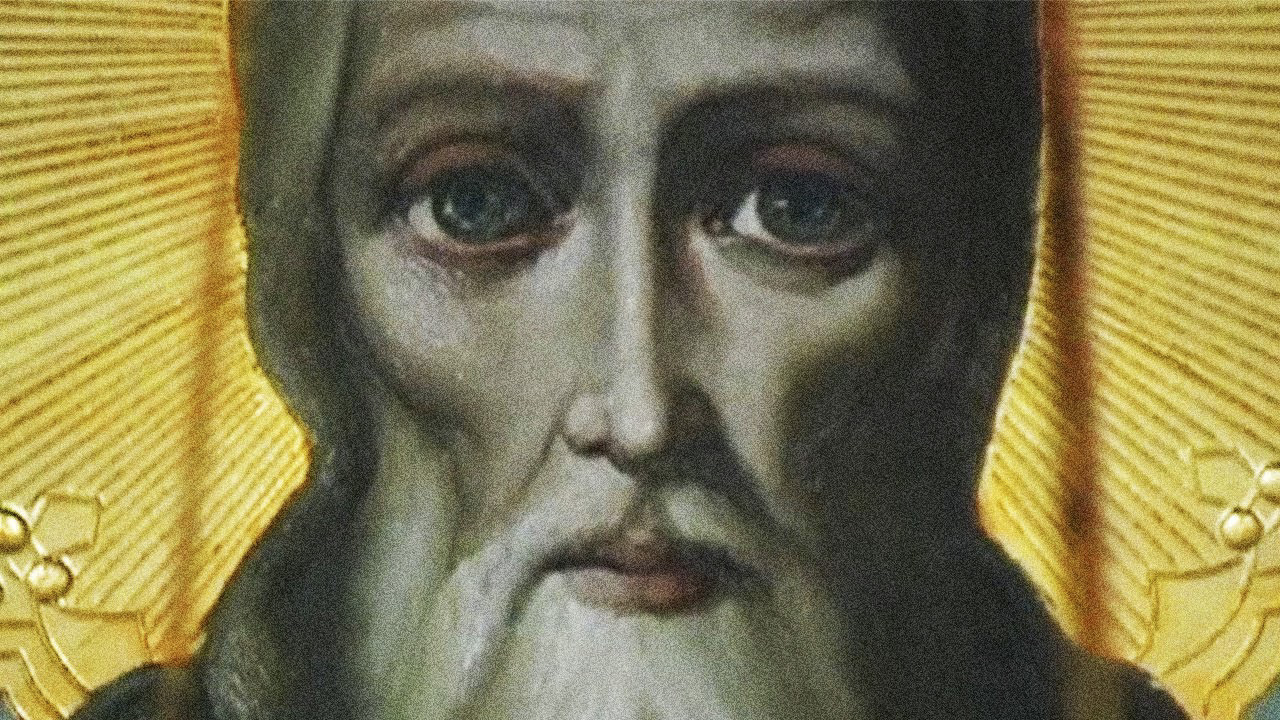
When I first began intentionally inquiring into Orthodoxy, I was in that early stage where everything felt new and strangely beautiful — a faith I had never heard of, yet found myself drawn to in wonder. Somewhere in those first weeks I came across the name St. Herman of Alaska, and his title alone stopped me. An American saint? I had always imagined saints as distant figures from ancient deserts or the Roman persecutions, not people who walked on the same soil I do. Seeing his name made me realize there was an entire river of living Christian faith flowing quietly beneath the noise and change of the Christianity I knew — a river I had somehow never noticed. It added to the mystery of Orthodoxy and made me aware of just how much I didn’t know.
What struck me most about St. Herman wasn’t just his gentleness or his compassion, but the deep, unshakeable confidence he carried in God’s presence. It revealed itself in the way he tended orphans during the epidemic, in the moment he placed the icon of the Theotokos upright in the sand and began to pray as a tsunami bore down on the island, in his steady leadership as he directed the digging of a trench to stop a fire, and even in the massive strength he showed when he lifted by himself a log that four men could not lift together.
St. Herman’s life didn’t just impress me; it revealed something essential about Orthodoxy as I was encountering it. His confidence in God showed me a faith that was not only ancient but deeply lived — a way of life that shapes people into steady, courageous, gentle, prayerful human beings. His holiness didn’t feel unreachable or mythical. It felt like the natural fruit of a life lived in the presence of God, something ordinary Christians could actually grow into. Through him, I began to see the continuity of Orthodoxy not merely as a historical idea but as a lived reality. It made me aware of how much I had yet to learn, and how the Orthodox Church had quietly preserved a simple and ancient way that had been there all along. Encountering St. Herman was one of the moments when Orthodoxy stopped feeling merely interesting and began to feel true in a personal, lived sense.

Leave a Reply